In this guide
Begin with the fortress’s regional setting
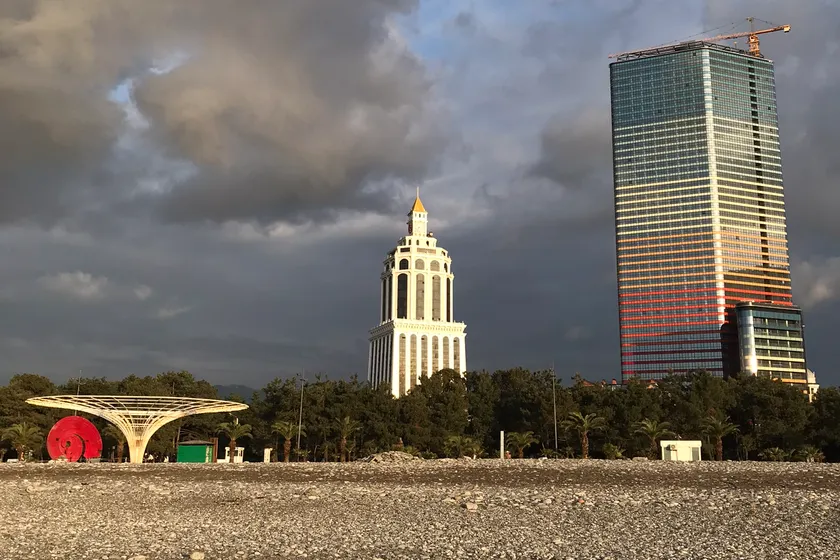
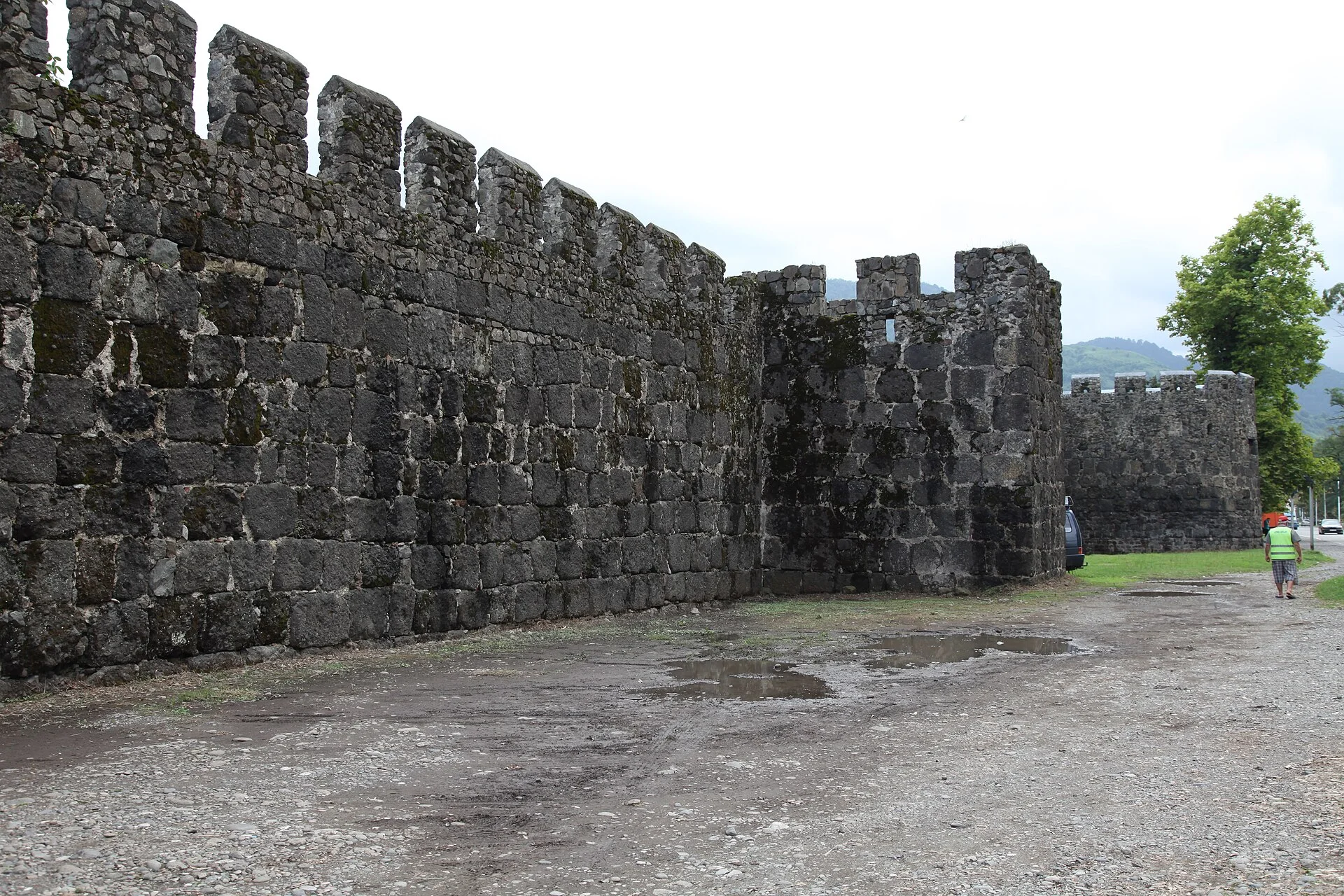
Gonio-Apsaros sits on the coastal route south of Batumi, where movement between the Black Sea shore and inland routes has long mattered. Its walls and archaeological remains offer a different experience from the city’s modern skyline. The value of a visit lies in understanding a layered site rather than expecting a fully furnished castle interior.
Read the site’s interpretation or choose a guide who can distinguish visible remains from reconstructed explanations. Roman and later periods form part of the story, while legends associated with the place should be presented as traditions rather than proven archaeological conclusions. A little context helps an apparently open enclosure become meaningful.
Give the interior time as well as the walls
The exterior is photogenic, but a complete visit should include the permitted interior route and any open displays. Walk slowly enough to notice changes in masonry, the layout of excavated areas and how the site has been organised for visitors. Do not assume every section is accessible simply because it appears within the enclosure.
Respect barriers around active or vulnerable archaeological areas. Climbing old walls for a photograph can damage the site and create a fall risk. If a particular exhibition or guided interpretation matters to you, confirm current availability before travelling rather than relying on a generic excursion description.
Plan around sun, rain and surfaces
Much of the experience is outdoors. In hot weather, an earlier visit can be more comfortable than arriving after a long beach lunch. Carry water and a hat, and wear shoes that handle uneven ground. Rain can make stones and paths slippery, so allow more time and avoid treating the visit as a quick dash between vehicle and viewpoint.
Visitors with limited mobility should ask about the actual entrance, path surfaces, toilets and accessible areas. A site described as easy to reach by car is not necessarily easy to navigate throughout. Families should keep children beside an adult and away from excavation edges and explain why ruins are not climbing equipment.
Combine the fortress with the southern coast
Gonio and Kvariati are the natural companions to the fortress. A historical morning followed by a meal and beach time creates a varied day without crossing the whole city again. If you continue towards Sarpi, decide whether the extra stop adds something your group wants or simply extends the driving.
A beach stop does not need to mean swimming. You can enjoy the shoreline, have lunch and return to Batumi while conditions remain comfortable. Avoid combining this southern route with the botanical garden on the same short day unless you deliberately want a transport-heavy sightseeing circuit.
Compare a guide, driver and independent visit
A guide adds value when you want the archaeological story explained. A private driver mainly solves transport and timing unless guiding is explicitly included. An organised excursion may combine the fortress with several other stops, so inspect how much time is allocated inside and whether admission is included.
Use our tour guide to compare the total day rather than the number of attractions in its title. Independent visitors can arrange a straightforward coastal outing, but should plan the return before leaving the city. Check current local transport information rather than relying on an old route number or fare.
Connect Gonio with the wider Batumi story
A visit to Gonio gives useful perspective on the coast before Batumi’s modern development. Later, a walk through Old Town shows another period of trade and urban life, while a museum visit can add objects and context that are difficult to read from ruins alone. These experiences complement each other without needing to happen in a single day.
Keep a few questions in mind: why was this position valuable, how were people and goods moving, and what can the visible remains actually tell us? That approach makes the visit more rewarding than a checklist of walls, towers and legends photographed without explanation.
Frequently asked questions
Is Gonio a castle with furnished rooms?
Expect an archaeological fortress site, walls and remains rather than a restored palace interior. Current displays and accessible areas should be checked with the site.
What is the best nearby combination?
Gonio or Kvariati beach and a meal make a geographically sensible continuation. Sarpi is an optional further stop, depending on time, traffic and your interests.
Do tours always include admission?
No. Check the selected option for site entry, guiding and time inside. A transport stop at the fortress is not automatically a complete guided visit.
Sources and official information
Checked against the sources below in November 2026. Confirm access, permits, booking terms and seasonal operations before travel.
BatumiTravel.com is an independent guide, not the official tourism board. GetYourGuide links include our affiliate code. Booking.com listings link to external property pages; availability and terms are set by the providers.